
When Costumes Feel Hard: Supporting Sensory Needs While Preparing for Performance
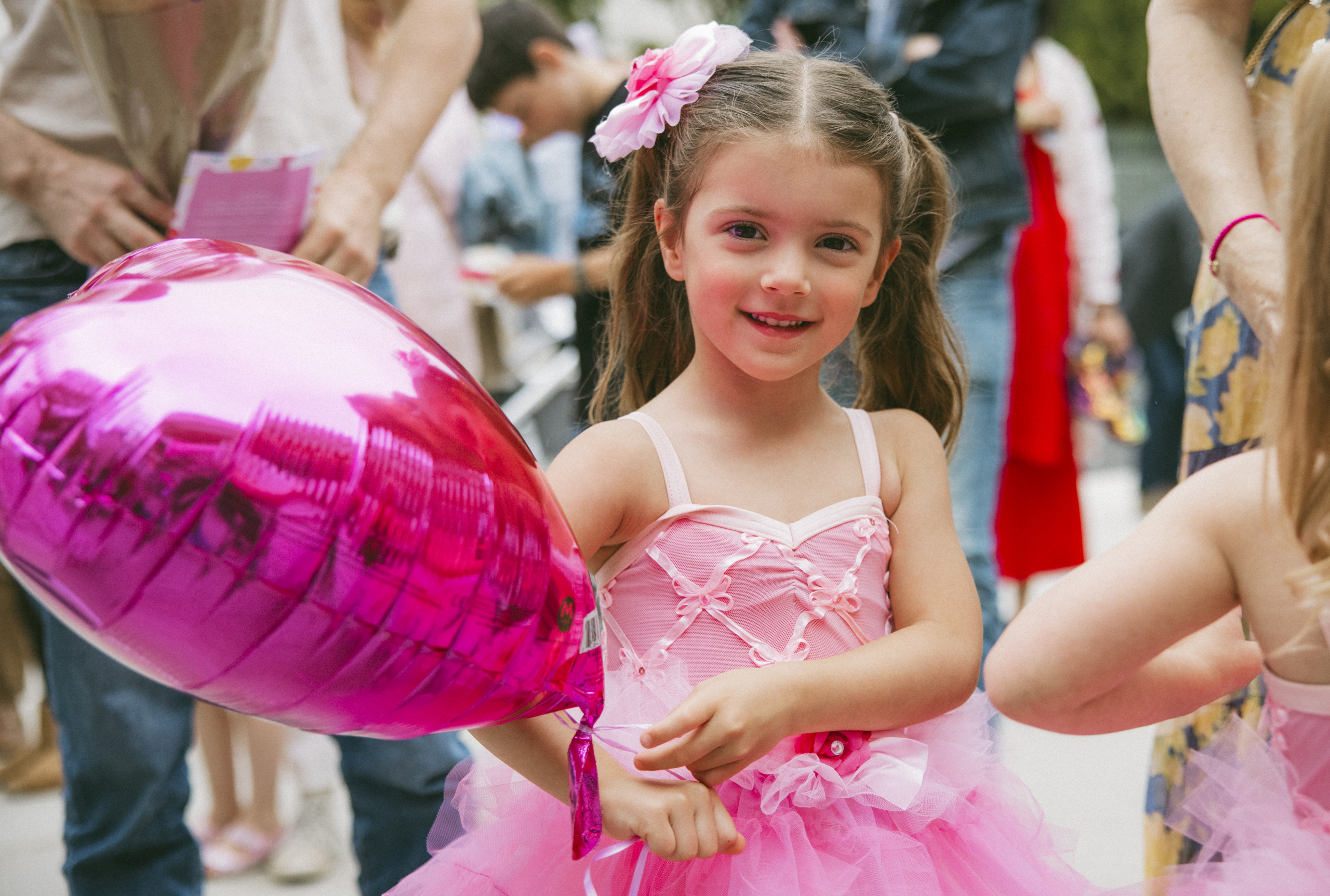
As recital approaches, we know costume fittings can bring up a wide range of emotions for dancers and families alike. For many children, stepping into a costume is exciting and confidence-building. For others, especially dancers with sensory sensitivities, it can feel uncomfortable, overwhelming, or emotionally challenging.
At Reach For The Barres, we want families to know two things can be true at the same time:
We deeply care about supporting each child with compassion and understanding.
And we also hold clear expectations around performance readiness, including how costumes are worn on stage.
Recital is a performance experience, which means costumes are intentionally designed to fit securely and consistently across the group. Unlike everyday clothing, dance costumes are meant to be more fitted so dancers can move safely, teachers can see lines and placement clearly, and the choreography presents cohesively under stage lighting.
Because of this, recital costumes should not be:
- Significantly oversized or altered to fit loosely
- Layered with visible t-shirts or additional garments underneath
- Modified in any way that changes the intended costume appearance
We know this can feel difficult for some dancers, especially those navigating tactile sensitivities, seams, textures, compression discomfort, or body-awareness challenges. If that’s your child, please know you are not alone, and your experience is valid.
At the same time, part of preparing for a performance also means preparing for the costume itself. Just like dancers practice choreography, stamina, and stage spacing, costume tolerance often benefits from preparation and gradual exposure too.
Practical Ways Families Can Help at Home
One thing occupational therapists often encourage when supporting children with sensory sensitivities is creating opportunities for gradual familiarity rather than waiting until the performance day itself.
A few ways families can help dancers feel more comfortable and confident include:
- Trying costumes on multiple times before recital weekend
- Allowing dancers to wear costumes for short periods at home while moving around
- Practicing recital hair, tights, shoes, and accessories together ahead of time
- Identifying specific discomforts (“the sequins scratch,” “the straps feel tight,” etc.) rather than generalizing the entire costume as “bad”
- Helping dancers build flexibility and coping strategies slowly and supportively over time
Often, predictability and repetition can reduce anxiety significantly. What initially feels unfamiliar or uncomfortable may become much more manageable with practice and preparation.
A Supportive Alternative We Can Offer
For dancers who benefit from an added sensory layer, we are happy to allow a nude, long-sleeved leotard underneath costumes as an accommodation option when appropriate.
A style similar to the Capezio Long Sleeve Leotard can often help dancers feel more regulated and comfortable while preserving the intended look of the costume on stage.
This option may:
- Reduce discomfort from sequins, appliqués, or costume fabrics
- Provide a smoother sensory barrier against the skin
- Help dancers feel more secure and regulated during performance
We encourage families considering this option to:
- Practice wearing the full costume combination at home before recital weekend
- Allow dancers time to move, dance, and acclimate gradually
- Reach out to us early if additional support or discussion may be helpful
Building Flexibility Together
One of the beautiful and sometimes challenging parts of dance education is that it asks dancers to grow not only technically, but emotionally too.
Learning to wear a costume, perform under bright lights, navigate unfamiliar textures, and move through mild discomfort in a supported environment can all be part of developing resilience, adaptability, and confidence over time.
That growth looks different for every child.
As a studio, we remain committed to creating an environment where dancers feel supported while also helping them rise to shared expectations that are part of participating in a team performance experience.
Thank you, as always, for partnering with us with trust, communication, and care as we prepare to celebrate all our dancers on stage this recital season. 💛